
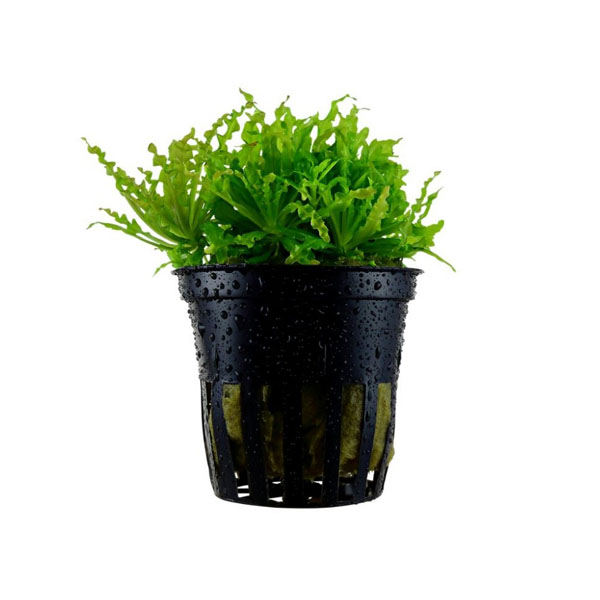
Anubias barteri var. nana (commonly known simply as Anubias Nana) is an exceptionally hardy, slow-growing freshwater aquarium plant native to West Africa. It is widely considered the ideal plant for beginners due to its ability to thrive in almost any water condition and low-light environment.
Anubias barteri var. nana (commonly known simply as Anubias Nana) is an exceptionally hardy, slow-growing freshwater aquarium plant native to West Africa. It is widely considered the ideal plant for beginners due to its ability to thrive in almost any water condition and low-light environment.
Key Features:
- Broad, Dark Green Leaves: Anubias nana features dense, broad leaves that provide a lush, vibrant green appearance, ideal for adding depth and contrast to aquascapes.
- Slow Growth: This plant grows slowly, requiring little maintenance, and is perfect for aquarists who prefer a low-maintenance setup.
- Versatile Planting Options: Anubias nana can be easily attached to hardscapes like driftwood and rocks, making it highly versatile in aquascaping. The rhizome should not be buried in the substrate to avoid rotting.
- Low Light Tolerance: It thrives in low to medium light, making it an excellent choice for low-tech aquariums or setups with subdued lighting.
Care Requirements:
- Lighting: Low to moderate. High light can cause unwanted algae growth on its slow-growing leaves.
- Placement: Foreground or midground. It typically grows to a height of 5–10 cm.
- Growth Rate: Very slow. It produces roughly one new leaf every few weeks.
- CO2 & Nutrients: Unnecessary, though it will grow slightly faster with CO2 supplementation.
- Water Parameters: Temperature of 20–28°C and a pH range of 6.0–7.5.
Crucial Planting Rule:
- Correct Method: Attach the plant to hardscape items like driftwood or lava rock. You can secure it temporarily using sewing thread, fishing line, or Cyanoacrylate-based super glue gel (aquarium-safe plant glue).
- Incorrect Method: Do Not Bury the Rhizome! Burying the horizontal rhizome beneath gravel or sand substrate. If buried, the rhizome will suffocate, rot, and the plant will eventually die. The thin, white anchor roots can be pushed into the substrate, but the main green stem must remain exposed to open water.


Reviews
There are no reviews yet.