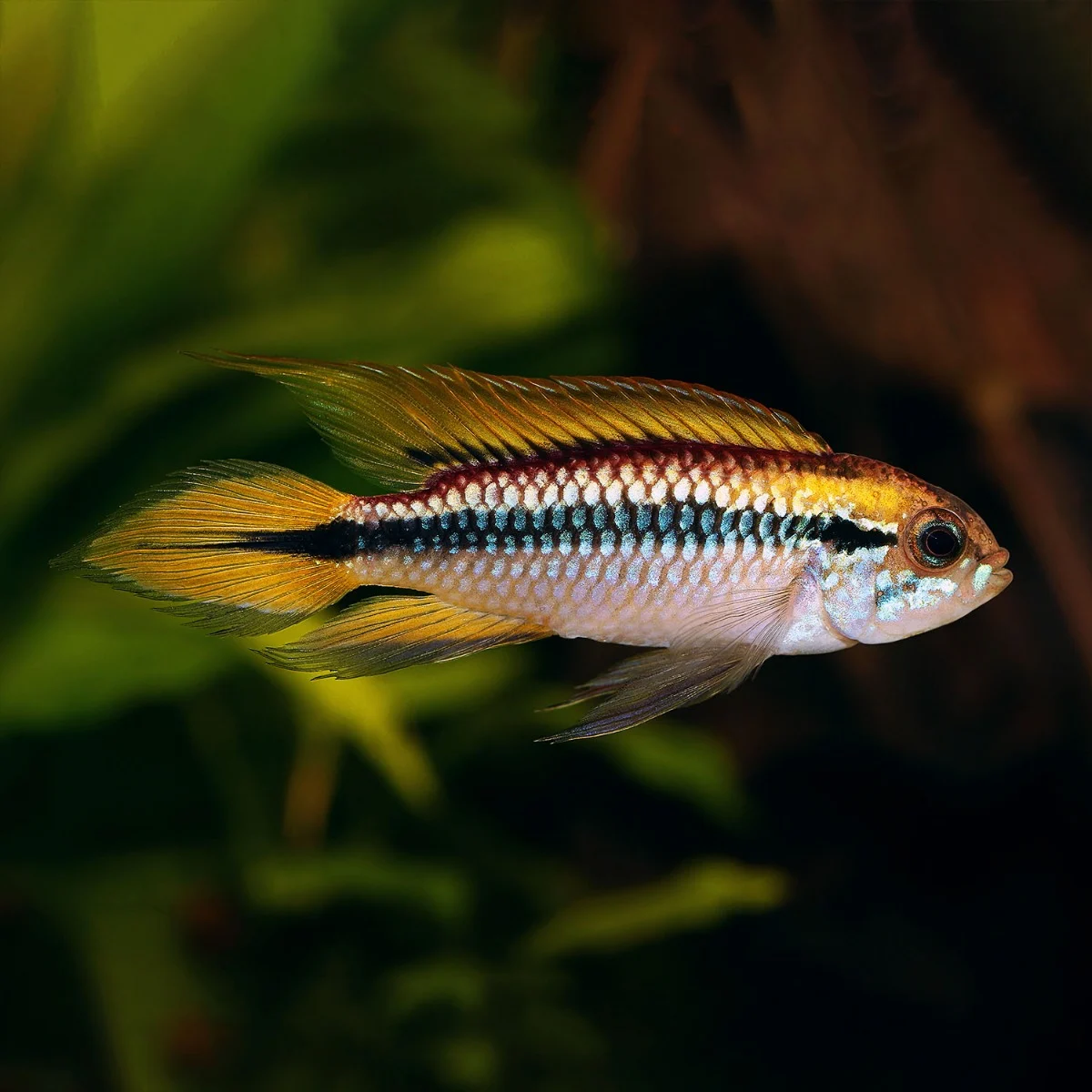
Apistogramma agassizii is commonly known as Agassiz’s dwarf cichlid, is a highly popular, colourful freshwater dwarf cichlid native to the slow-moving blackwater creeks and tributaries of the Amazon River basin. Renowned for their distinct, spade-shaped tails and dramatic sexual dimorphism, they are a staple species for hobbyists focused on South American biotopes and planted aquariums.
Overview & Quick Specs:
- Adult Size: Males reach up to 7.5–9 cm and females stay smaller at around 5–6 cm.
- Lifespan: 4 to 6 years on average.
- Temperament: Generally peaceful, but highly territorial when breeding or guarding territories.
Tank Setup & Water Parameters:
- Minimum Tank Size: 60 Litres for a single pair and 150 Litres+ for communities.
- Temperature: 24°C – 28°C.
- Water pH: 5.5 – 7.0 (Wild caught prefer very acidic conditions, close to 4.5–5.5).
- Hardness: Soft water (dKH 1 – 4 and low GH).
- Substrate & Decor: Soft sand or aquasoil to prevent mouth injury during foraging. Provide ample hiding spots using driftwood, coconut shells, and terracotta caves.
- Water Quality: Highly sensitive to nitrites and organic waste; they require mature, well-cycled filters and routine water maintenance.
Diet & Nutrition:
They are natural micropredators. While captive-bred pairs can adjust to high-quality sinking pellets or flakes, their health and coloration improve significantly on a varied diet:
- Live or Frozen Foods: Bloodworms, Daphnia, brine shrimp, and white mosquito larvae.
- Note: Avoid housing them with ornamental shrimp, as they will readily view them as snacks.
Tank Mates:
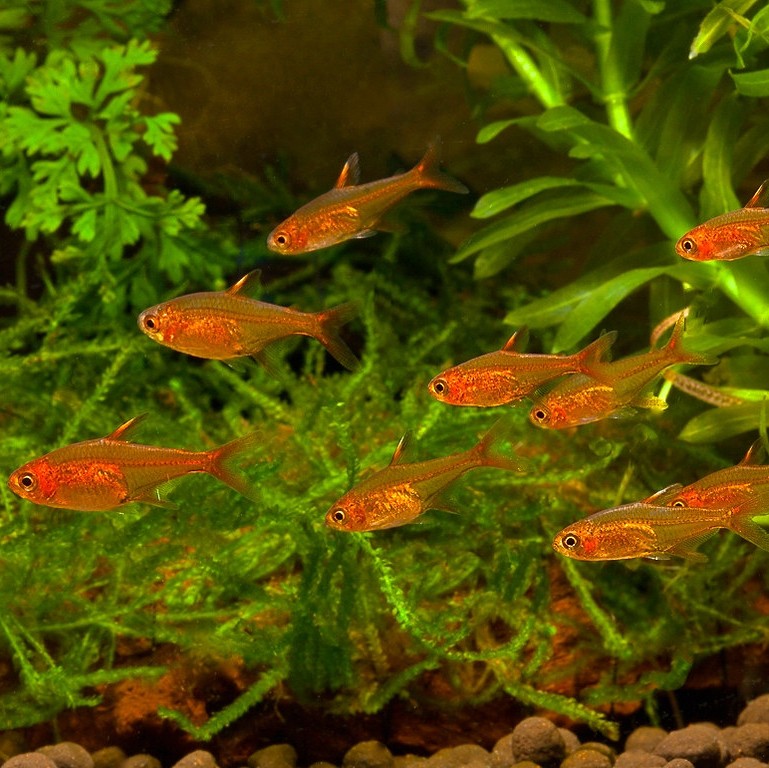
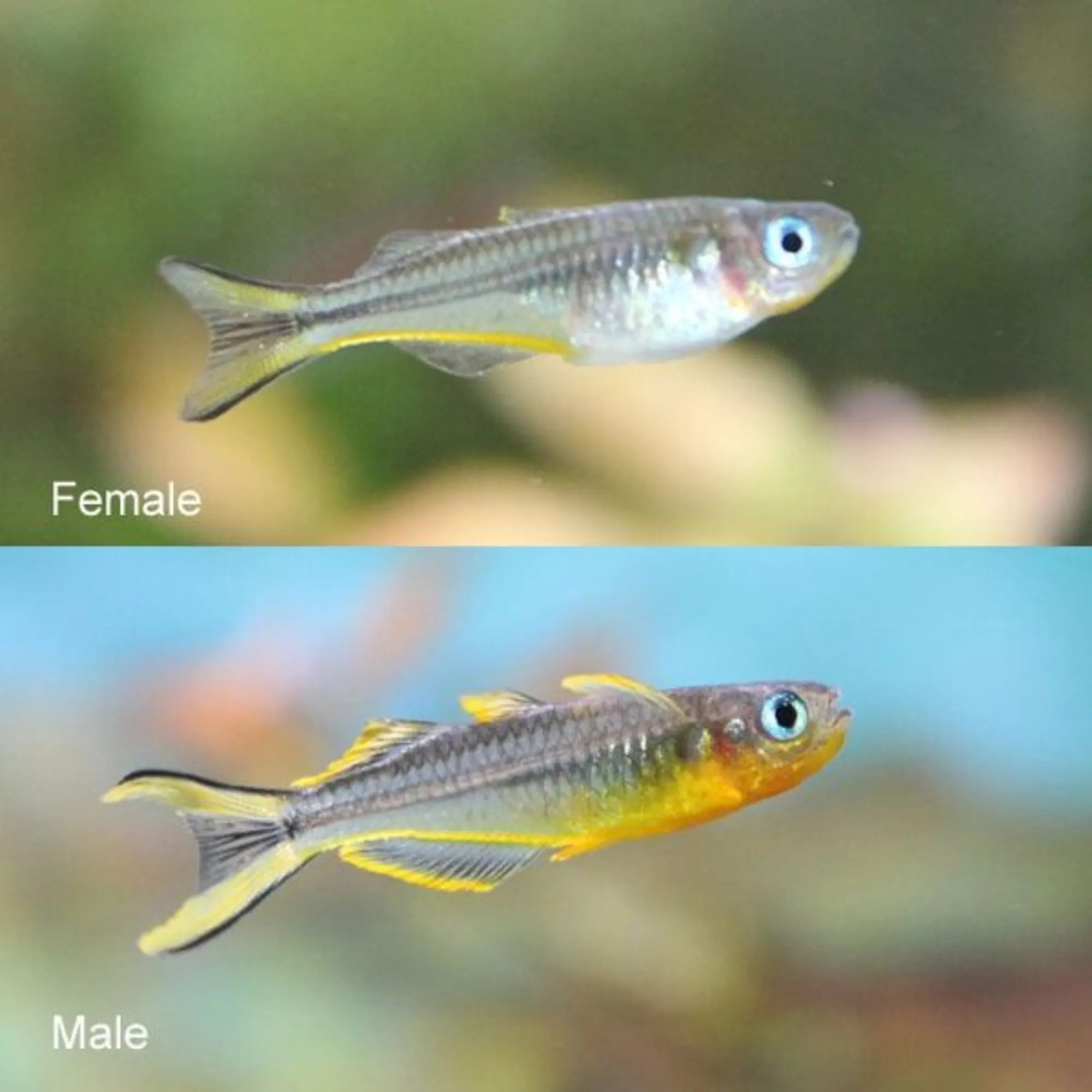
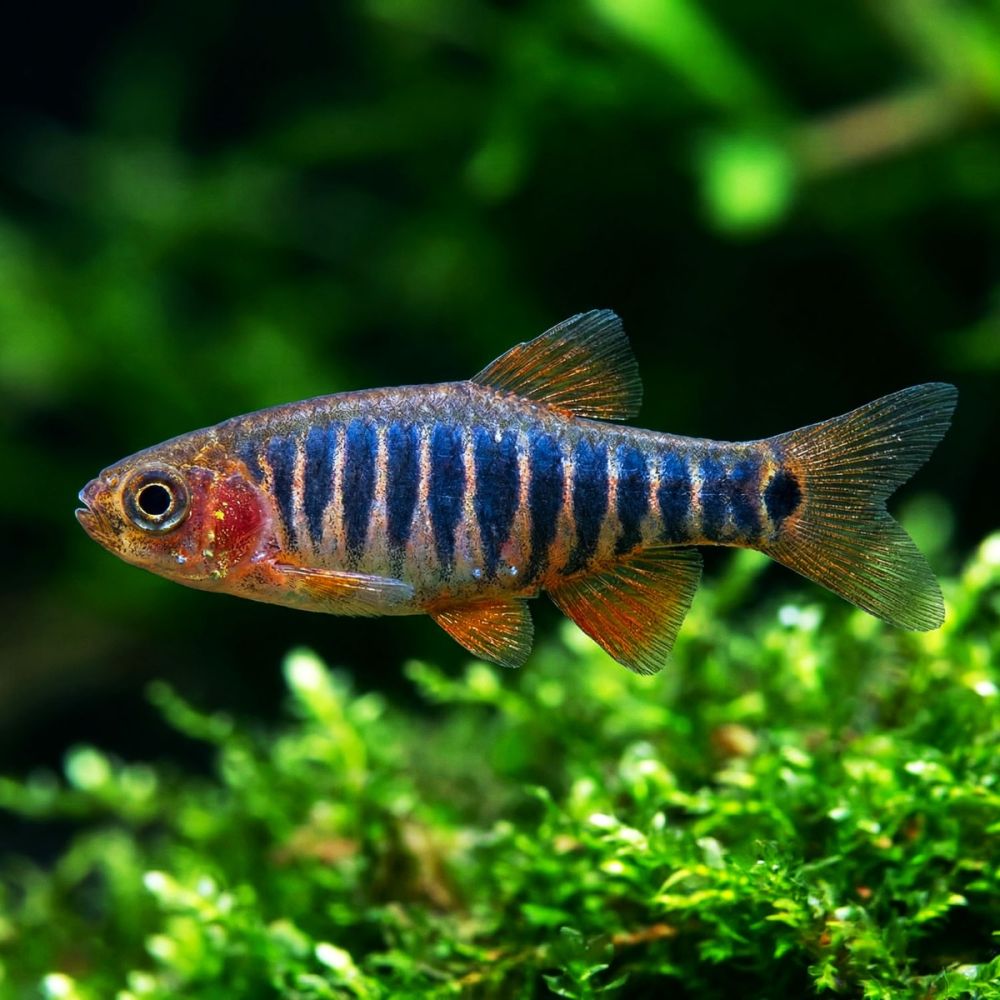
- Compatible: Calm, soft-natured upper-water fish such as tetras (e.g., Neon or Cardinal Tetras), danios, and rasboras.
- Avoid: Fast-moving fin-nippers like Tiger Barbs, and highly aggressive, large cichlids.
Breeding Behaviour:
Apistogramma agassizii are cave spawners. In the wild, dominant males are often polygamous, maintaining a harem with several females.
- Breeding Dress: When ready to spawn, the female changes from her muted colours to a vibrant, bright canary yellow.
- Spawning: The female will lay up to 150 pink eggs on the ceiling of a cave or dense leaf litter.
- Parental Care: The female fiercely guards the cave and fry. Keep stress low during this period, as panicked parents may consume their own eggs. Once hatched, the fry can immediately feed on freshly hatched baby brine shrimp,




Reviews
There are no reviews yet.