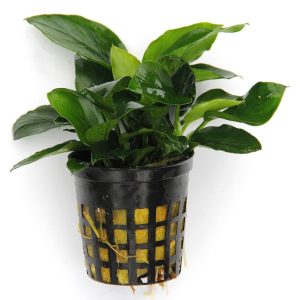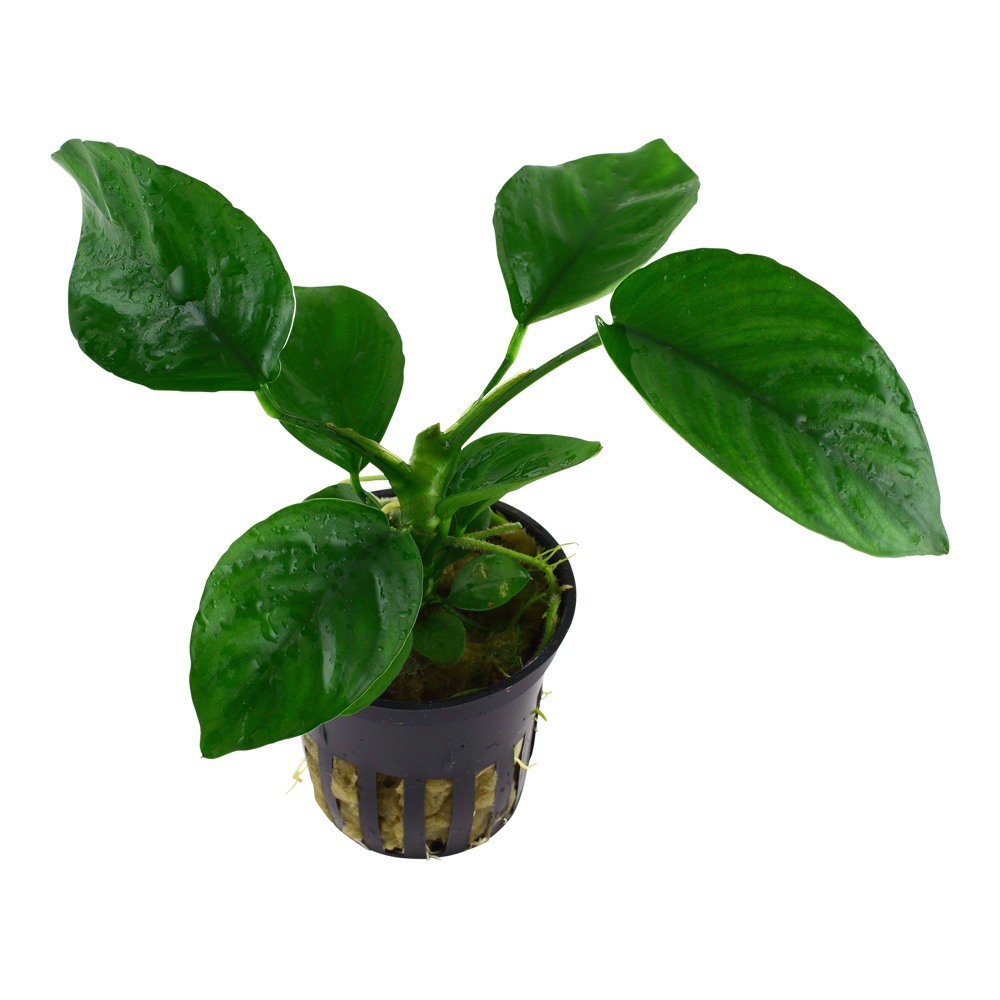
Ceratopteris thalictroides is commonly known as Water Sprite, Indian Fern, or Oriental Water Fern, is a highly versatile, pantropical aquatic fern belonging to the family Pteridaceae. It is widely celebrated in the fishkeeping hobby as an exceptionally beginner-friendly and fast-growing plant that can either be rooted in the substrate or left to float freely on the water’s surface.
Key Features & Benefits:
- Natural Nitrate Filter: Because of its rapid growth rate, it acts as a highly efficient nutrient sponge, absorbing excess nitrates and ammonia to help control algae and stabilize water parameters.
- Versatile Growth Habits:
- Submersed/Planted: When rooted in sand or gravel, it produces thinner, lacy, and delicate feathery fronds that wave elegantly in the current.
- Floating: When left at the surface, its leaves grow wider and thicker, creating a “jungle” aesthetic while throwing down a dense root network.
- Emersed: In open-top aquariums, it can grow right out of the water to develop unique surface leaves.
- Excellent Wildlife Shelter: The thick, complex foliage provides perfect foraging grounds for shrimp to graze on biofilm, as well as crucial hiding spaces for vulnerable fish fry.
Optimal Care Requirements:
- Temperature: 22°C to 28°C.
- Lighting: Moderate to bright light. While it survives under low-powered stock lighting, proper illumination drives its trademark rapid growth.
- CO₂ and Nutrients: Carbon dioxide injection is not required, though regular liquid dosing or a nutrient-rich substrate will accelerate its development.
- Propagation: Incredibly easy. The plant naturally produces miniature “adventitious” baby plantlets along the margins of its mature fronds, which eventually break away to form independent plants.


Reviews
There are no reviews yet.