
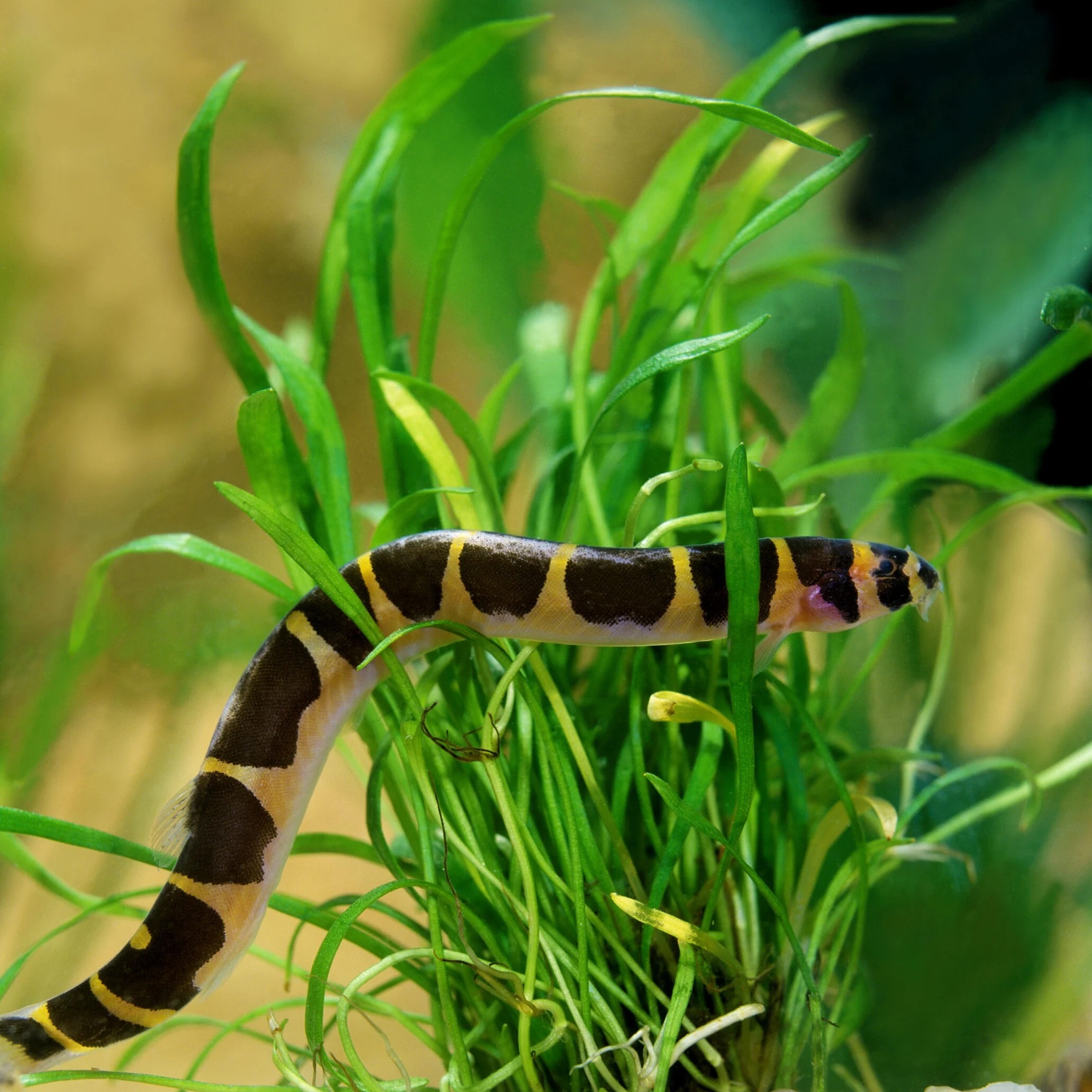
The Kuhli Loach (Pangio kuhlii) is a small, peaceful, eel-shaped freshwater fish highly popular in the aquarium hobby for its quirky, snake-like wiggling and excellent scavenging habits. Native to the slow-moving, shaded tropical streams of Southeast Asia, these gentle bottom-dwellers function as a natural “cleanup crew” by consuming uneaten food that falls to the tank floor.
The Kuhli Loach (Pangio kuhlii) is a small, peaceful, eel-shaped freshwater fish highly popular in the aquarium hobby for its quirky, snake-like wiggling and excellent scavenging habits. Native to the slow-moving, shaded tropical streams of Southeast Asia, these gentle bottom-dwellers function as a natural “cleanup crew” by consuming uneaten food that falls to the tank floor.
Quick Care & Tank Requirements:
- Tank Size: Minimum approx. 35 – 75 litres to accommodate their active nocturnal exploration.
- Substrate: Must be smooth sand or fine gravel. Sharp pebbles can permanently damage their delicate burrowing faces and sensory barbels.
- Water Temperature: Strictly tropical, requiring 22°C to 28°C.
- Water Parameters: Prefer soft, slightly acidic water with a pH between 6.0 and 7.0.
- Hiding Spots: They require an abundance of dense live plants (Anubias, Java Fern), driftwood, rock crevices, and caves to feel secure.
- Optional Tank Lid: Their slender bodies make them notorious escape artists capable of squeezing through tiny cracks. You should also cover your filter intake with a pre-filter sponge so they do not swim inside.
Behaviour and Diet:
- Social Instincts: They are highly social and must be kept in groups of 6 or more. If kept alone, they will experience extreme stress and spend their entire lives hidden away. In a large group, they gain the confidence to explore during the daytime.
- Nocturnal Habits: They are primarily active at night. Do not panic if you do not see them for days at a time; they love to cluster together in tight, hidden “puddle” groups during daylight hours.
- Feeding: They are omnivorous micro-predators. Feed them sinking pellets, Hikari Sinking Wafers, frozen bloodworms, and brine shrimp. It is best to feed them just after you turn off the aquarium lights. Note that they do not eat algae or snails.
Ideal Tank Mates:
Because they lack true defensive armour and are entirely non-aggressive, they should only be housed with calm, non-nippy community fish. Excellent choices include:
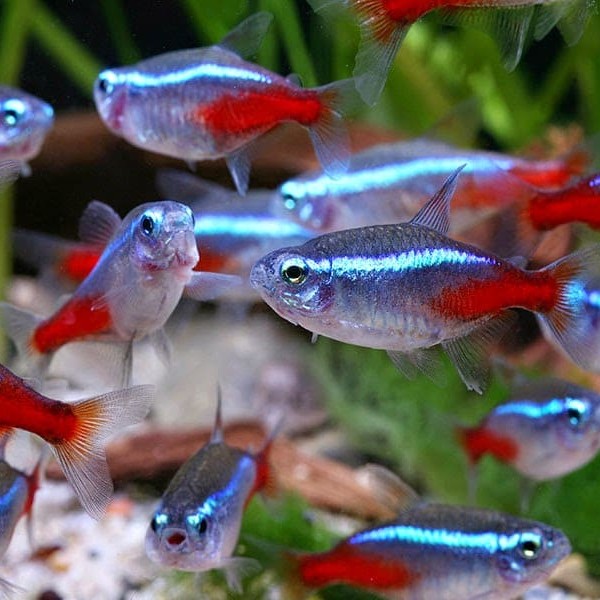
- Small Tetras (Neon, Cardinal, or Ember Tetras)
- Rasboras (Harlequin or Chili Rasboras)
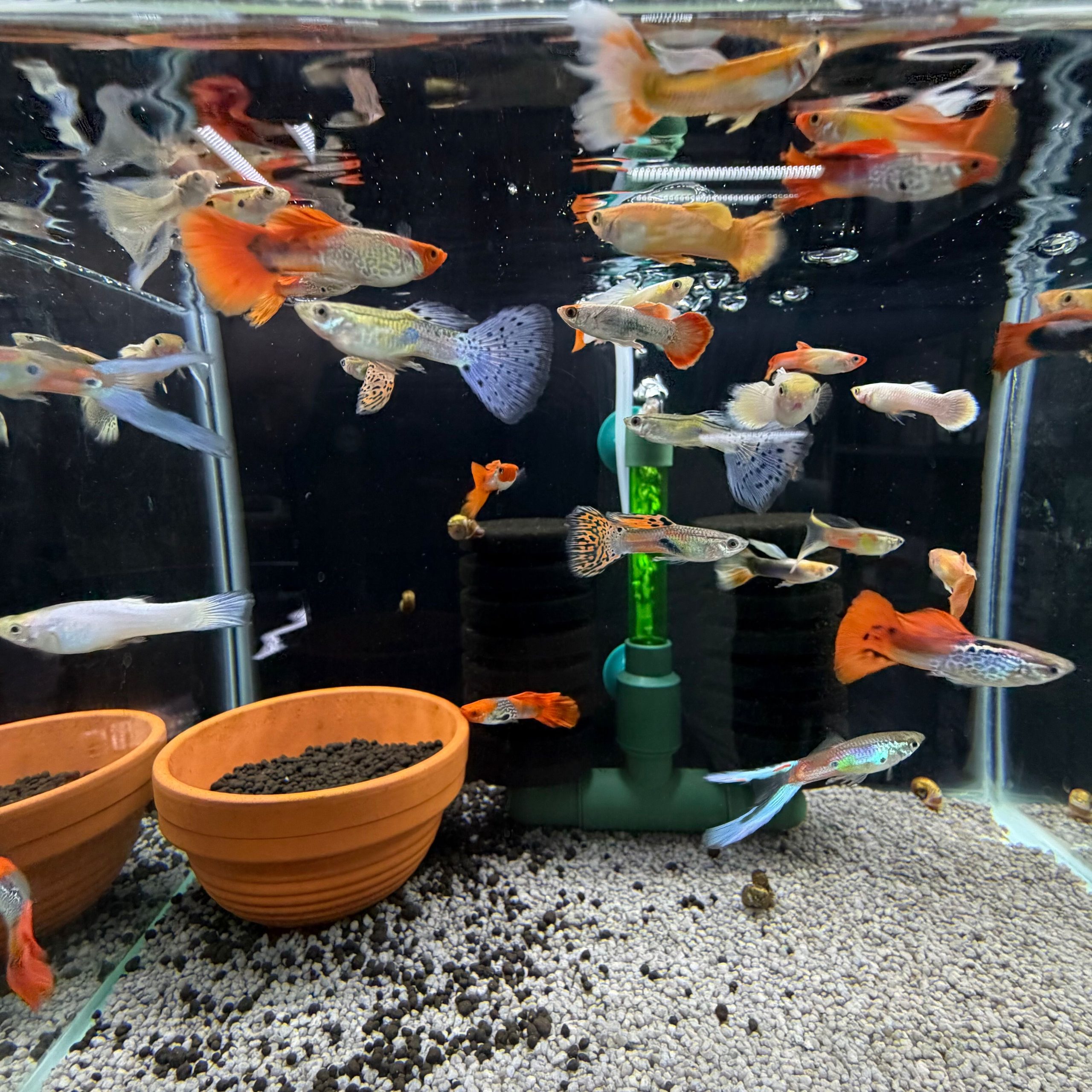
- Guppies and Platies
- Corydoras Catfish
- Peaceful Shrimps





Reviews
There are no reviews yet.