Hygrophila corymbosa ‘Compact’ is a hardy, slow-to-medium growing stem plant characterized by short internodes and a dense, bushy shape. A very compact variety of Hygrophila corymbosa, with the leaves set close to the stalk.
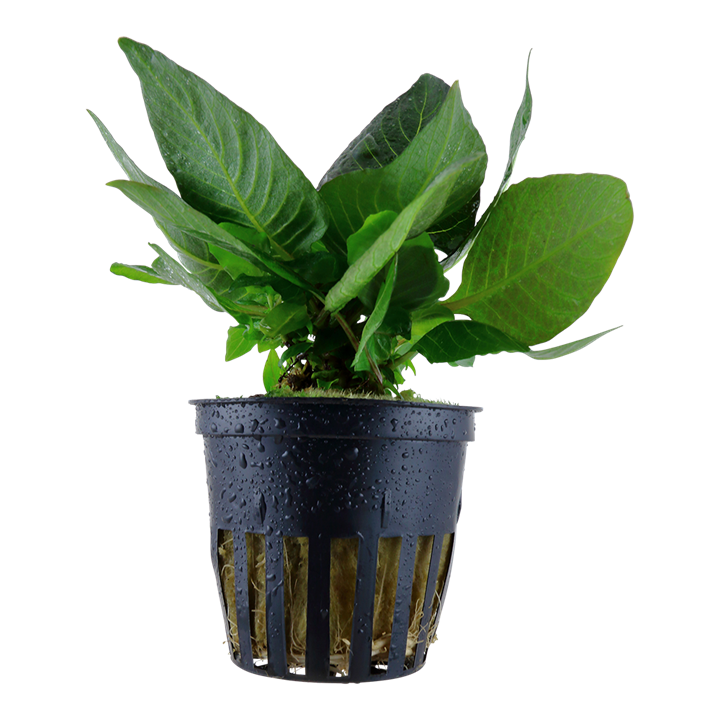
Hygrophila corymbosa ‘Compact’ is a hardy, slow-to-medium growing stem plant characterized by short internodes and a dense, bushy shape. A very compact variety of Hygrophila corymbosa, with the leaves set close to the stalk.
5 in stock
Hygrophila corymbosa ‘Compact’ is a hardy, slow-to-medium growing stem plant characterized by short internodes and a dense, bushy shape. A very compact variety of Hygrophila corymbosa, with the leaves set close to the stalk.
Forms numerous side shoots, enhancing the compact appearance. The leaves are a dark brownish-green, when the plant leaves the nursery, but after a transitional period in the aquarium they turn pale green and silver-white on the underside.
In strong light, the newest leaves may become reddish brown and in dimmer light, the oldest ones die away after a while. New side shoots often forms to replace the old ones.
Only logged in customers who have purchased this product may leave a review.





Reviews
There are no reviews yet.