Saturn Shrimp

Kubotai Rasbora

R65.00

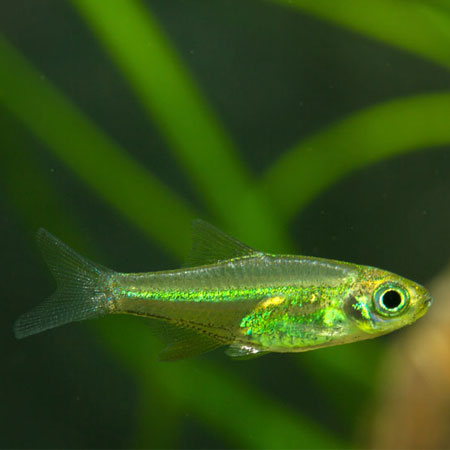
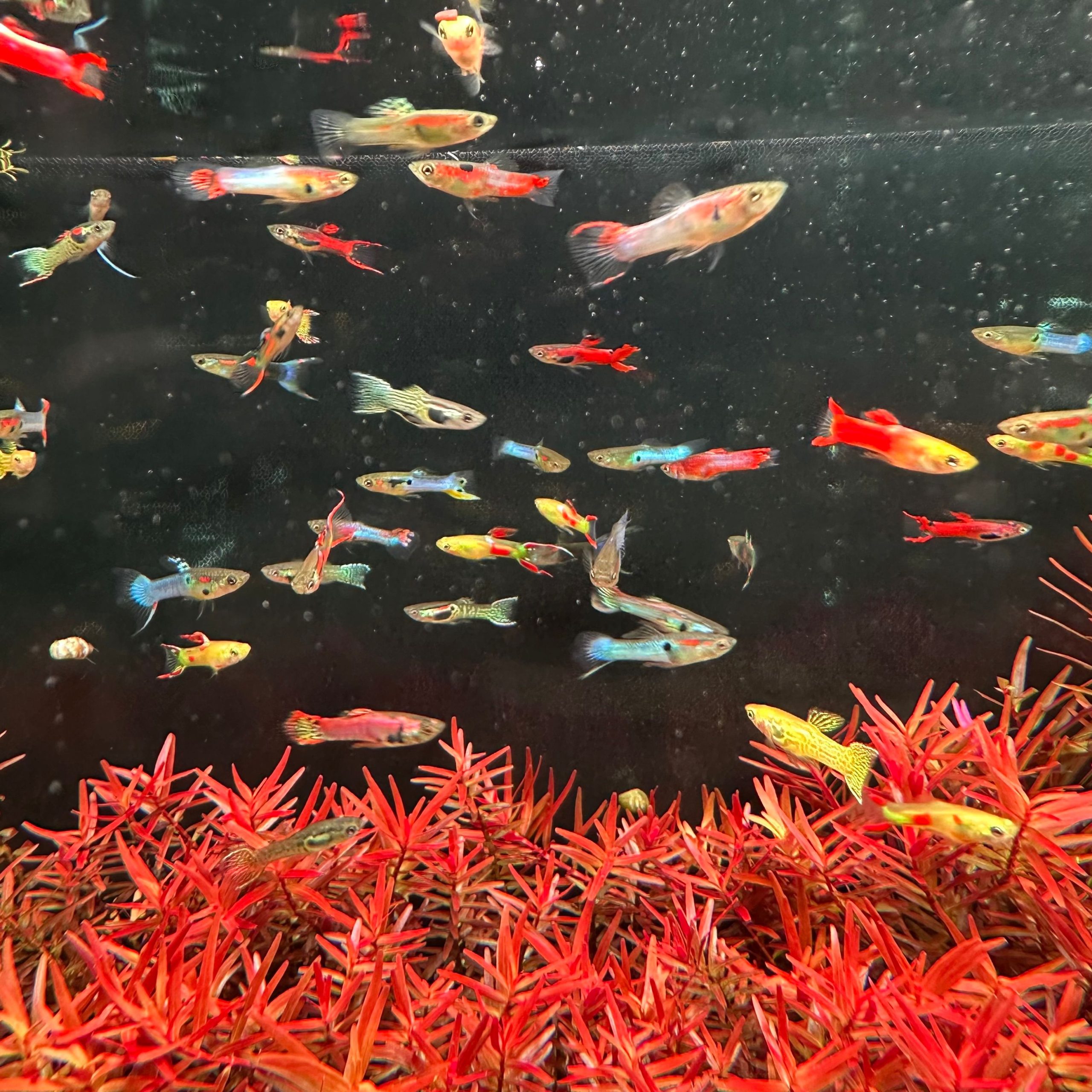
The Kubotai Rasbora (Microdevario kubotai), also known as the Neon Green Rasbora, is a tiny, vibrant freshwater fish highly prized by aquascapers for its striking fluorescent green colour and energetic schooling behaviour. Growing to a maximum size of just 1.9 to 2.5 cm, this peaceful micro-fish is an ideal addition to nano aquariums and densely planted setups.
65 in stock

The Kubotai Rasbora (Microdevario kubotai), also known as the Neon Green Rasbora, is a tiny, vibrant freshwater fish highly prized by aquascapers for its striking fluorescent green colour and energetic schooling behaviour. Growing to a maximum size of just 1.9 to 2.5 cm, this peaceful micro-fish is an ideal addition to nano aquariums and densely planted setups.
Quick Care Overview:

  • Tank Size: Minimum 40 litres.
  • School Size: Minimum 8 to 10 individuals, though 15+ encourages tighter, more confident schooling.
  • Temperature: 22°C to 26°C.
  • Water pH: 6.0 to 7.5 (prefers neutral to slightly acidic water).
  • Hardness: Soft to moderate (2–10 dGH).
  • Lifespan: 3 to 5 years.

Aquascaping & Tank Setup:

  • Substrate: Use a dark sand or soil substrate. Darker backgrounds and soils make their metallic green shimmer pop intensely.
  • Vegetation: Provide dense live plants (like Rotala, Limnophila, or mosses) alongside open mid-water swimming zones.
  • Lighting & Shading: Use moderate to bright LED lights to catch their iridescence, but include floating plants (like Salvinia) to provide shade and security.
  • Filtration: Ensure clean, well-oxygenated water with a gentle to moderate flow. Avoid overpowering currents that can exhaust these delicate fish.

Diet & Feeding:

  • Kubotai Rasboras are omnivores. Because of their tiny mouths, they must be fed microscopic or finely crushed foods:
  • Base diet: High-quality micro-pellets and crushed flakes.
  • Treats: Live or frozen baby brine shrimp, daphnia, and microworms. Feed small amounts twice daily.

Tank Mates:

  • Good options: Other micro-rasboras, small tetras, Pygmy Corydoras, and Otocinclus.
  • Invertebrates: Compatible with adult Neocaridina and Amano shrimp, though they may occasionally snack on tiny shrimplets.
  • Avoid: Large, boisterous, or predatory fish that will easily intimidate or eat them.


You may also like

Menu