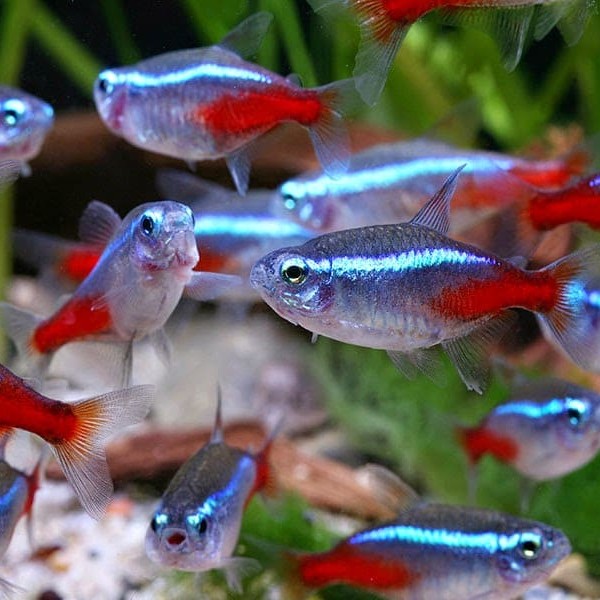
- The Neon Tetra (Paracheirodon innesi) is one of the most famous and popular freshwater tropical fish in the world, iconic for its bright iridescent blue horizontal stripe and striking red tail. Native to the slow-moving blackwater and clearwater streams of the Amazon basin, these tiny nano fish bring incredible color, energy, and tight schooling behavior to community aquariums.
The Neon Tetra (Paracheirodon innesi) is one of the most famous and popular freshwater tropical fish in the world, iconic for its bright iridescent blue horizontal stripe and striking red tail. Native to the slow-moving blackwater and clearwater streams of the Amazon basin, these tiny nano fish bring incredible color, energy, and tight schooling behavior to community aquariums.
Species Overview:
- Adult Size: 3 to 4 cm .
- Lifespan: 3 to 5 years in captivity, though they can reach up to 8 years with meticulous care.
- Temperament: Exceptionally peaceful community fish.
- Tank Position: Active mid-water to bottom dwellers.
Aquarium & Water Requirements:
Neon Tetras are relatively hardy but highly sensitive to sudden changes in water chemistry. They require a fully cycled, mature aquarium to thrive.
- Minimum Tank Size: 20 to 60 liters to allow adequate swimming space.
- Water Temperature: 21°C to 26°C.
- pH Range: Slightly acidic to neutral, ideally between 6.0 and 7.0.
- Water Hardness: Soft to moderate, 1° to 12° dH.
- Tank Setup: Thrives in heavily planted tanks with driftwood, floating cover, and a dark substrate, which naturally intensifies their neon colours.
Social Dynamics & Tank Mates:
Neon Tetras are mandatory schooling fish. They must be kept in groups of at least 6, but a shoal of 10 to 15 or more is highly recommended. In small numbers, they become stressed, skittish, lose colour, and hide constantly.
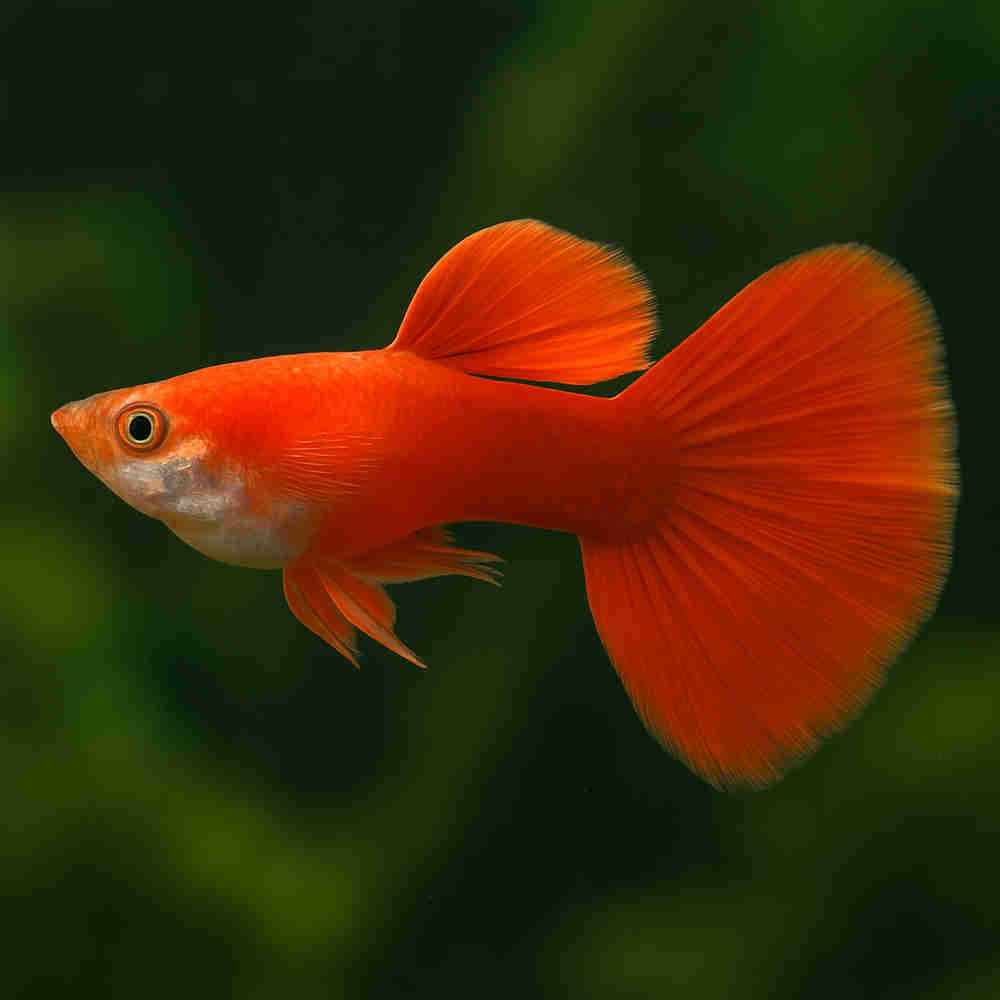
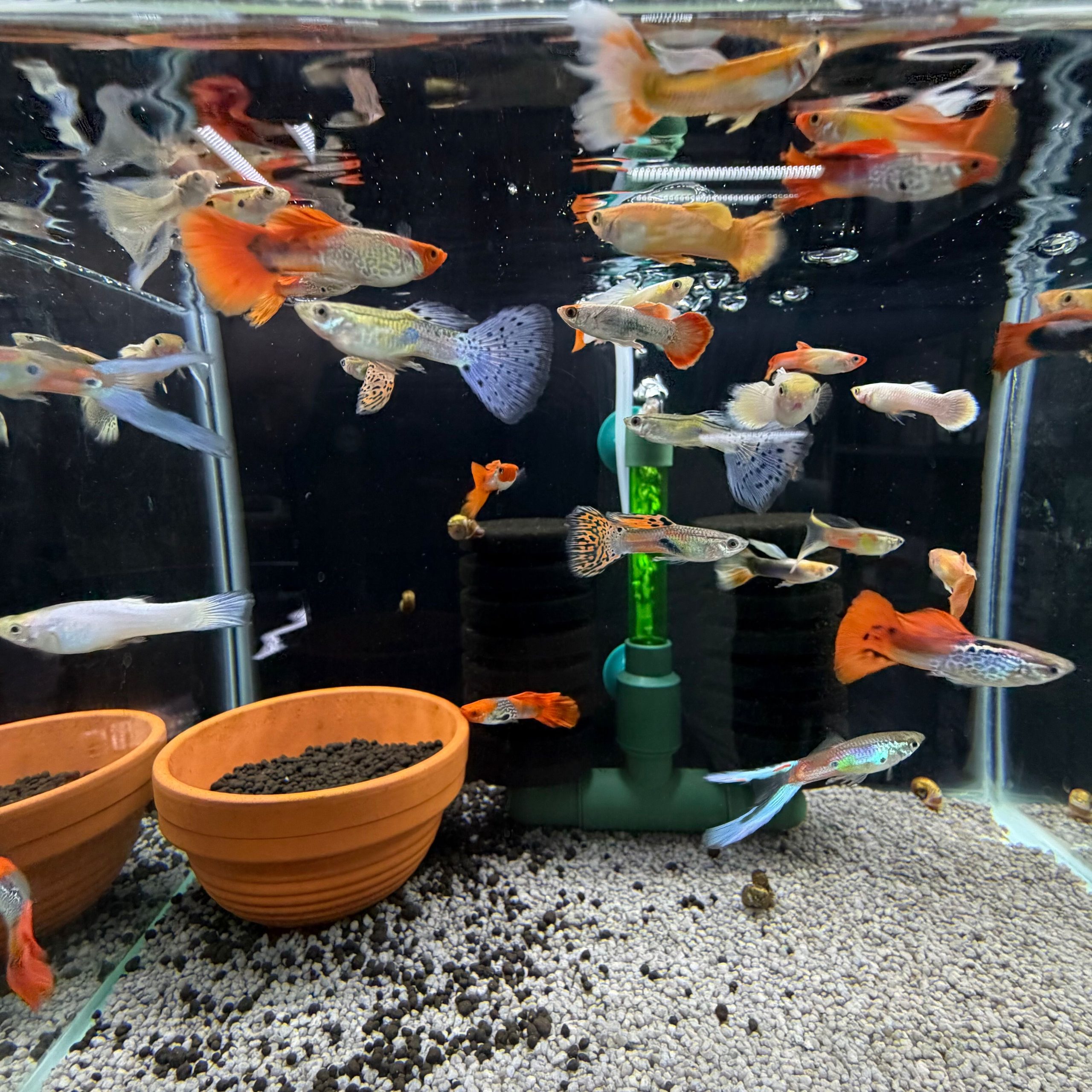
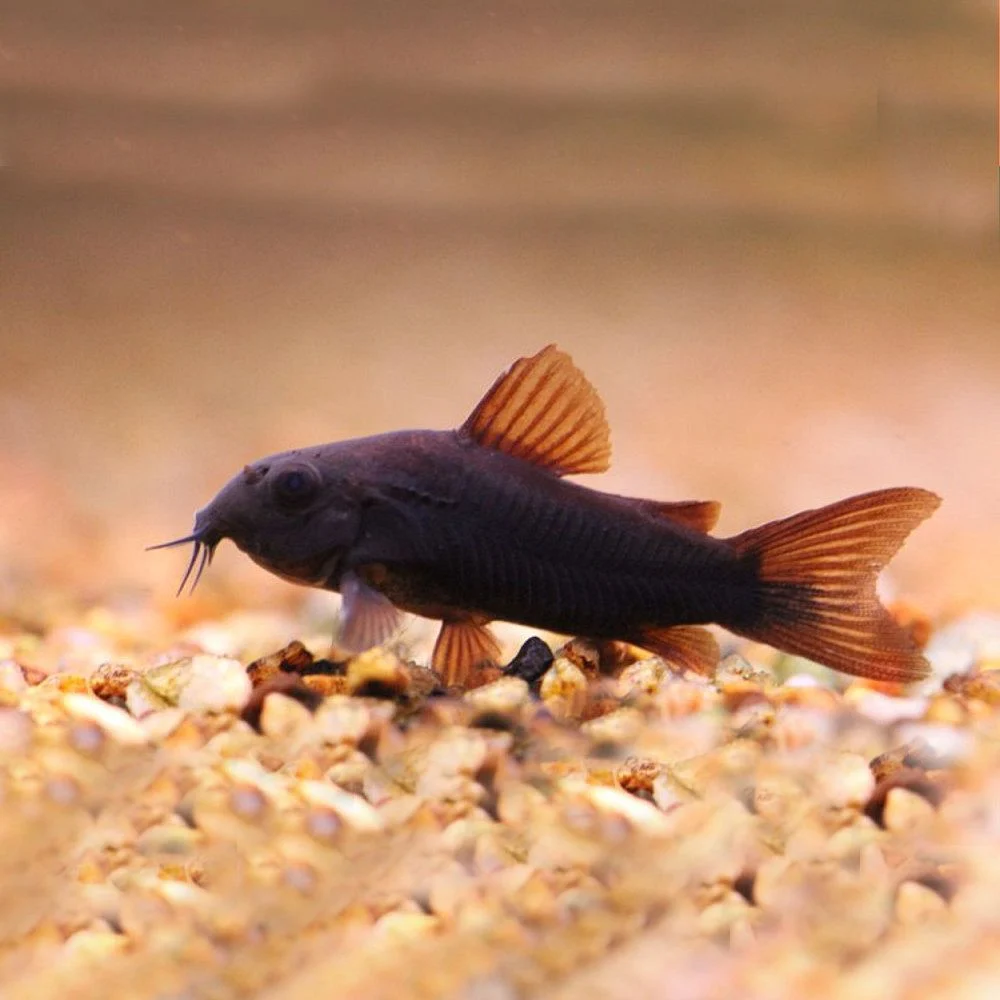
- Ideal Tank Mates: Small, peaceful fish like Guppies, Harlequin Rasboras, Corydoras Catfish, Dwarf Gouramis, and peaceful freshwater shrimp.
- Fish to Avoid: Any predatory fish with mouths large enough to swallow a tetra (such as Angelfish, large Cichlids, or large Barbs).
Diet and Nutrition:
As natural micro-predators, they require a varied, omnivorous diet scaled to their tiny mouths.
- Staple food: High-quality micro-pellets or crushed tropical flakes.
- Treats: Supplement twice weekly with live or frozen Daphnia, baby brine shrimp, or bloodworms.




Reviews
There are no reviews yet.